
Yazar: Ziyara.io Son güncelleme 14 Ekim 2026
Bu sayfada
Acentenin kalkıştan önce yaptığı her şey — kayıtlar, oda dağılımı, manifestolar — asıl önemli olan iki haftaya hazırlıktır: seferin kendisine. Ve sefer boyunca, acentenin telefonu ürünün ta kendisi olur.
"Otobüs kaçta?" "Hangi oteldeydik?" "Babam namaza gitti, dönmedi." Her soru rehberin telefonuna ya da ofis hattınıza düşer — ve grup, acentenizi o iki haftanın nasıl geçtiğiyle yargılar.
Her acentenin korktuğu an
Her sezonun bir yerinde bunun bir versiyonu yaşanır: yaşlı bir yolcu otelden Harem'e doğru çıkar, on binlerce insanın arasında yanlış bir dönüş yapar ve nerede olduğunu tarif etmeyi bilemez. Arapça konuşamaz. Telefonunda dolaşım paketi yoktur. Ailesi beş dakikada bir rehberi arar.
Rehber çözer — rehberler hep çözer — ama elinde telefon görüşmeleri ve tahminden başka bir şey yoktur. Yolcu uygulaması tam bu sorun için vardır.
Uygulama yolcuya ne vermeli
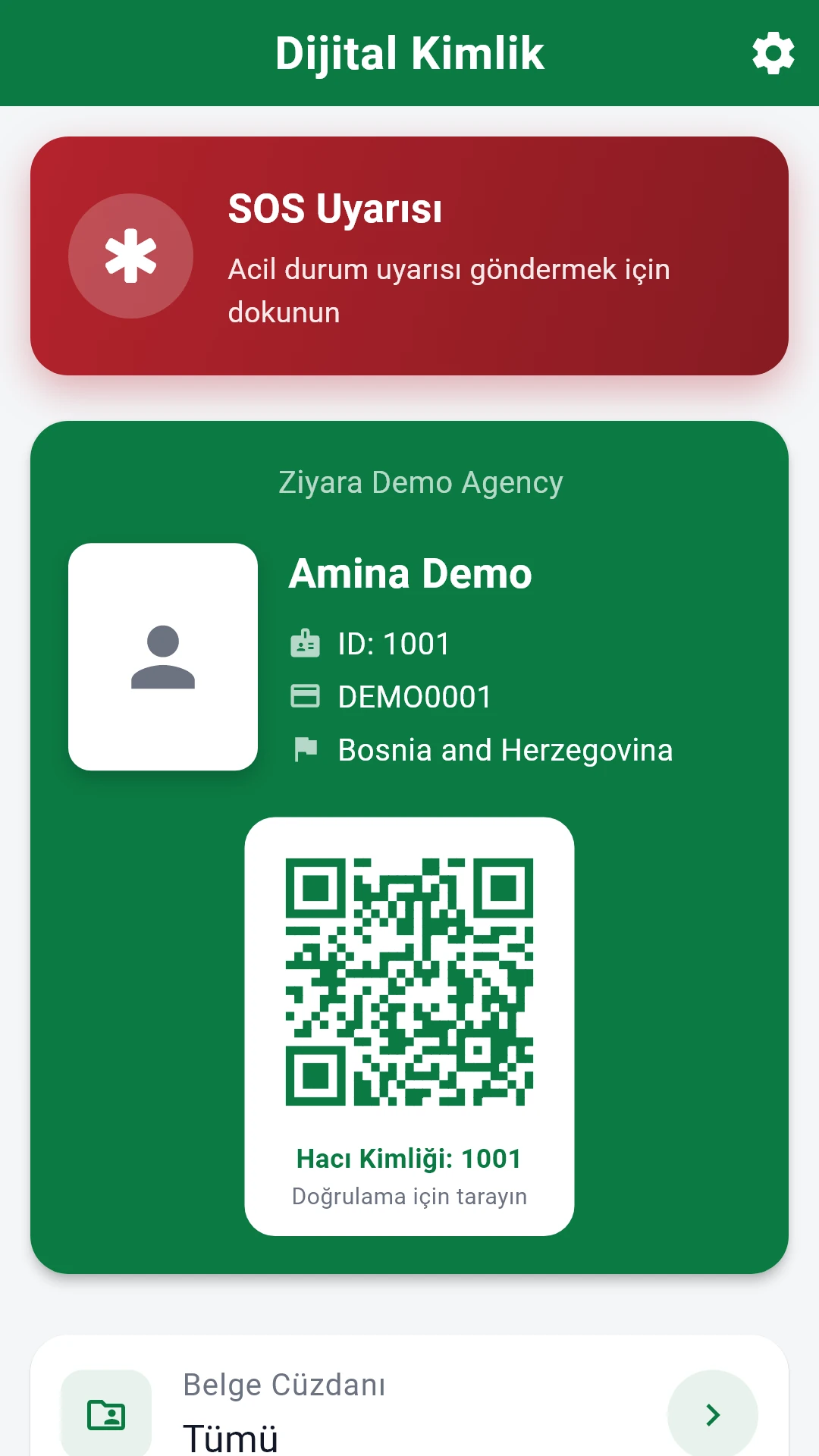
- Dijital yaka kartı — yolcunun fotoğrafı, QR kodu, otel bilgileri ve acentenin iletişim bilgileri, hep cebinde. Otobüste, resepsiyonda, buluşmalarda gösterilir; yoklama için okutulur — rehber herkesin araçta olduğunu saniyeler içinde bilir.
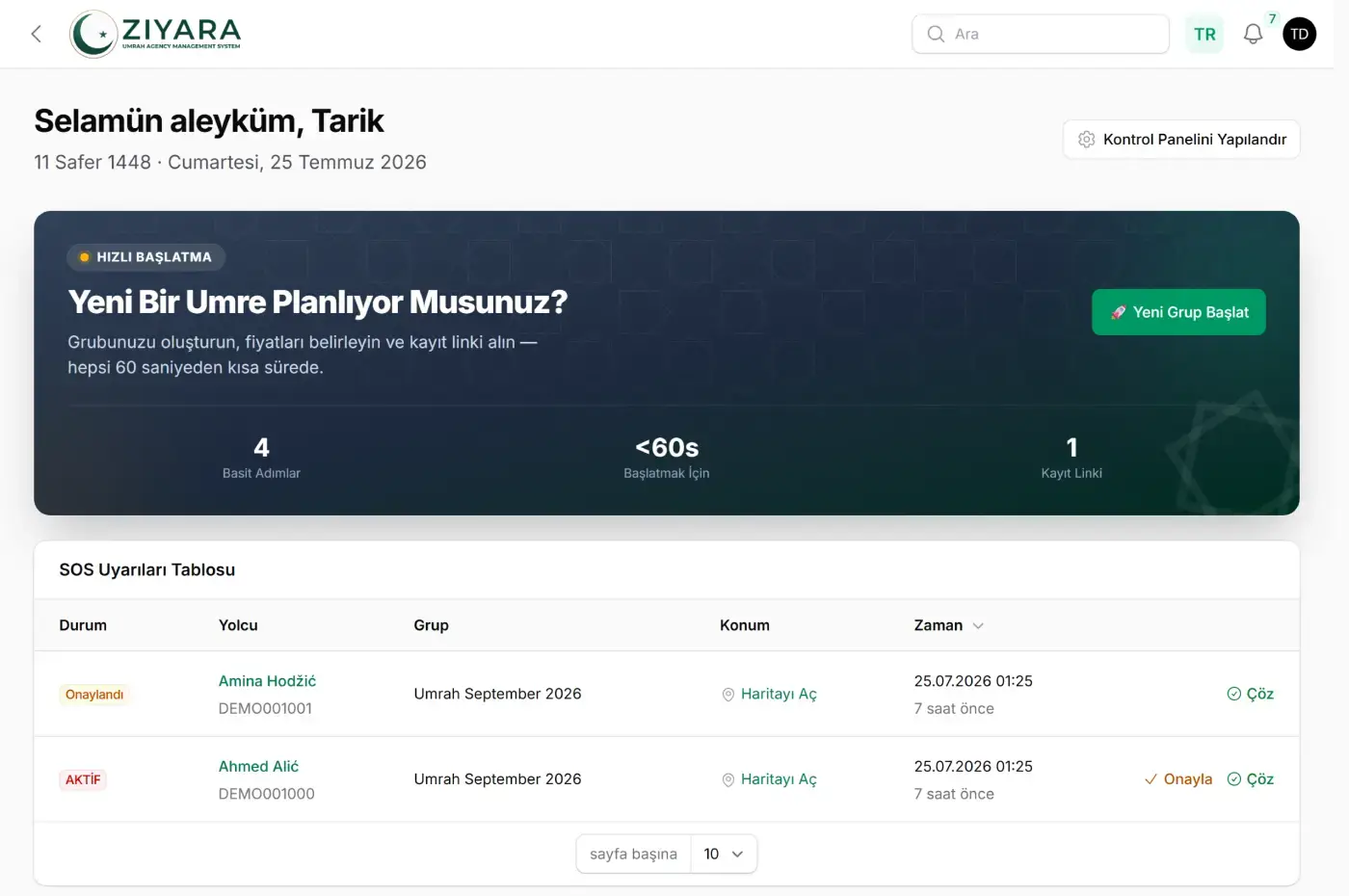
- Tek dokunuşla SOS — yolcunun GPS konumunu rehbere ve acenteye anında gönderen acil durum düğmesi. "Harem yakınında kayboldu" senaryosu şuna döner: dokun, konumu görüldü, alındı. Arapça gerekmez, sokak adı tarifi gerekmez.
- Yerine ulaşan duyurular — otobüs saatleri, buluşma noktaları ve program değişiklikleri için anlık bildirimler; grup sohbetine gömülmek yerine doğrudan kilit ekranına.
- Dijital rehber — adım adım talimatlar, navigasyonlu otel konumları ve yolculuk için faydalı içerikler; ikinci gün kaybolan basılı kitapçık yerine cepte.
Diller ve dualar
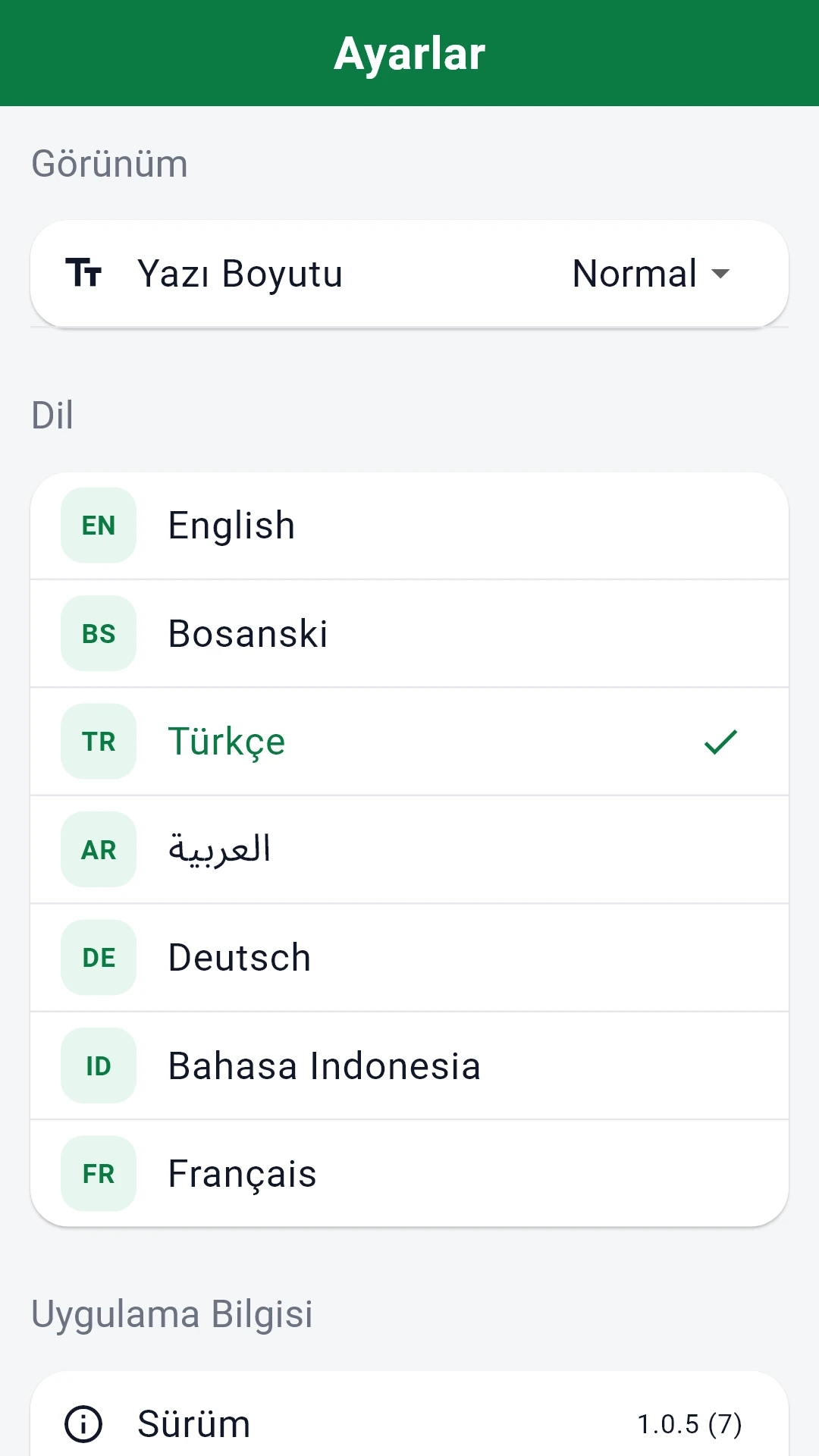
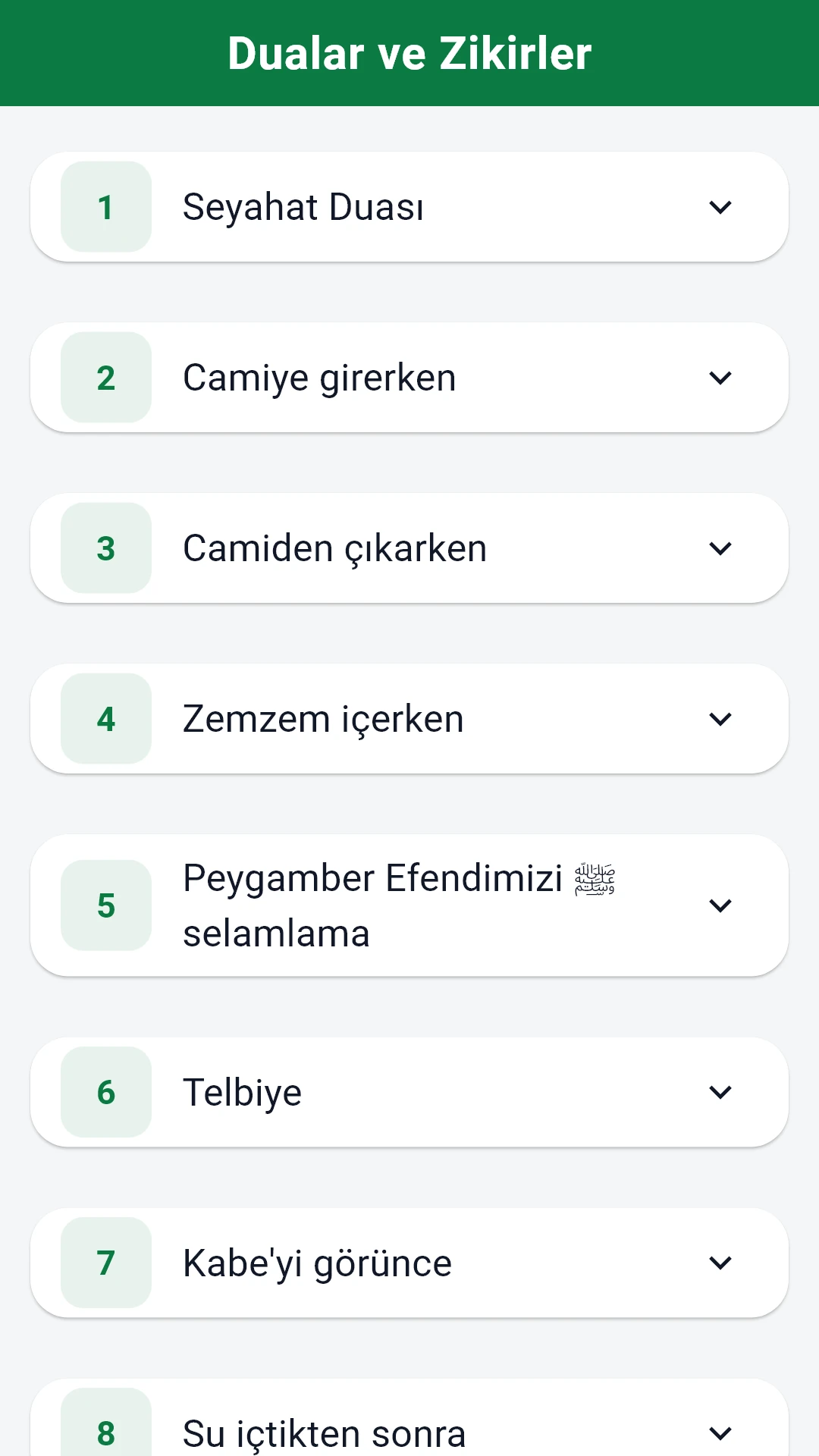
Uygulama yedi dil ve çevrimdışı okunabilen bir dua koleksiyonu sunar. Dili giriş yapmadan önce veya Ayarlar bölümünden seçin.
Açıkça söylemekte fayda var: bu gözetleme değildir. Yolcunun konumu, kendisi SOS'a bastığında paylaşılır — kontrolü yolcuda olan bir güvenlik hattıdır. Ailelere ve hocalara da tam böyle anlatmak istersiniz.
Acente ne kazanır
- Daha az telefon. Her seferin en sık on sorusu (otobüs saati, otel adı, buluşma noktası, rehberin numarası) kendi kendine cevaplanır. Rehberiniz çağrı merkezi değil, grup yönetir.
- Daha hızlı müdahale. Koordinatlı SOS, bir saatlik panik telefonlarını dakikalara indirir.
- Saniyede yoklama. QR okutma, sabahın dördünde otel lobisinde isim bağırmanın yerini alır.
- Profesyonel fark. "Yolcularımız dijital yaka kartlı, acil durum düğmeli kendi uygulamasını kullanır" — paket satan bir cümledir; özellikle seferi anne-babası için satın alan yetişkin çocuklara. Ayrıca herkese, acentenizin tek bir dolup taşan telefonla değil gerçek sistemlerle çalıştığını söyler.
Avrupa'daki gruplar için neden daha da önemli
Avrupa acenteleri, anne-baba kuşağının Türkçe veya Boşnakça konuştuğu — Arapça ya da İngilizce değil — gruplar gönderir. Bu yolcular için uygulama lojistiğin tercümanıdır: duyurular kendi dillerinde gelir, otel adresi yabancı bir sokak adı değil dokunulan bir haritadır, yardım ise kuramayacakları bir cümle değil bir düğmedir.
Sistemleri mi karşılaştırıyorsunuz? Umre ve hac acenteleri için yazılımın yapması gerekenler listemiz bunu diğer temel ihtiyaçlarla birlikte ele alıyor.
Ziyara'da nasıl çalışır
Yolcu mobil uygulaması Ziyara'nın bir parçasıdır ve her plana dahildir — ek ücret değildir. Kayıtlı her yolcu; fotoğraflı, QR kodlu, konaklama ve acente iletişim bilgili dijital yaka kartını alır; SOS düğmesi GPS konumunu rehbere ve acentenize anında iletir; duyurular ve program hatırlatmaları anlık bildirimle telefona düşer; yerleşik rehber ise talimatlar, otel navigasyonu ve yolculuk içerikleri sunar.
Hepsi sistemin geri kalanıyla aynı veriden beslenir — yolcu bir kez kaydolur; yaka kartı, oda, manifest ve uygulama o tek profilden okur. Ücretsiz denemede deneyin: test grubuna kendinizi yolcu olarak kaydedin ve yolculuğu ekranın müşteri tarafından izleyin.
Sıkça sorulan sorular
SOS düğmesi yolcuları sürekli takip ediyor mu?
Hayır. Yolcunun konumu SOS'a bastığında gönderilir; yani sürekli takip değil, yolcunun kontrolündeki bir güvenlik hattıdır. Aileler ve imamlar için de en kolay açıklama budur.
Yolcular Ziyara uygulamasına nasıl giriş yapar?
Her yolcu acenteden aldığı kişisel QR koduyla giriş yapar; kimsenin şifre oluşturması ya da hatırlaması gerekmez. Uygulama ardından kendi rozetini, otel bilgilerini ve grup duyurularını gösterir.
Yolcu uygulaması WhatsApp grubunun yerini alır mı?
Hayır — resmi duyuruları üstlenir. Sohbet ve topluluk grupta kalır; buluşma saatleri, otobüs kalkışları ve program değişiklikleri kaybolmayan anlık bildirimler olarak gelir.
Bu rehber yapay zekâ araçlarının yardımıyla yazıldı ve çevrildi. İçerikte veya çeviride bir hata fark ederseniz bize yazın: info@ziyara.io


